
- Understanding Tractor Trailer Accidents: Definitions, Statistics, and Risks
- Decoding the Chain of Events: Common Causes of Tractor Trailer Collisions
- Liability in Tractor Trailer Accidents: Who Is Responsible?
- Proving Negligence: Gathering Evidence After a Tractor Trailer Accident
- Navigating Insurance Claims: A Step-by-Step Guide for Victims
- Legal Recourse Options: Filing a Lawsuit for Tractor Trailer Accident Damages
- Preventing Future Accidents: Safety Measures and Best Practices
- Frequently Asked Questions
Understanding Tractor Trailer Accidents: Definitions, Statistics, and Risks

Tractor trailer accidents represent a significant concern on roadways across the United States. These collisions can result in serious injuries, fatalities, and substantial property damage. Understanding the nuances of these incidents – their definitions, the prevalence of their occurrence, and the inherent risks involved – is a crucial first step in navigating the legal process following such an event.
A tractor-trailer accident, often referred to as a semi-truck accident, encompasses a wide range of collisions involving commercial vehicles pulling trailers. These accidents can range from rear-end impacts and lane-change incidents to rollovers and jackknifing situations. What distinguishes these accidents from those involving passenger vehicles is the sheer size and weight of the commercial vehicles. A fully loaded tractor-trailer can weigh upwards of 80,000 pounds or more, creating a massive disparity in mass and momentum compared to standard cars or SUVs. This difference significantly impacts the severity of the resulting damage and potential injuries.
The statistics surrounding tractor trailer accidents are sobering. According to the Federal Motor Carrier Safety Administration (FMCSA), large trucks were involved in an estimated 37,000 accidents in 2022. While the number of accidents may seem high, it’s essential to consider the vast number of miles commercial trucks travel annually. However, the consequences of these accidents are often severe. The National Highway Traffic Safety Administration (NHTSA) reports that in 2021, over 3,000 people died in crashes involving large trucks. Furthermore, injuries sustained in these collisions frequently require extensive medical treatment and rehabilitation. A key factor contributing to these statistics is the extended hours often required of commercial truck drivers to meet delivery deadlines.
Several factors contribute to the elevated risk of tractor trailer accidents. Driver fatigue is a prominent concern. Long hauls and demanding schedules can lead to driver exhaustion, impairing judgment and reaction time. Another significant risk factor is inadequate training or licensing. Commercial drivers must undergo rigorous training and obtain specific endorsements to operate certain types of vehicles or transport hazardous materials. Deficient training can result in errors in maneuvering and handling the large vehicles.
Beyond driver-related factors, the physical characteristics of tractor-trailers themselves pose inherent risks. Their size and weight make them difficult to maneuver, especially in congested areas or during adverse weather conditions. The large blind spots around these vehicles also increase the likelihood of collisions with smaller vehicles or pedestrians. Additionally, cargo shifting or improper loading can contribute to instability and increase the risk of rollovers.
Understanding these definitions, the alarming statistics, and the inherent risks associated with tractor-trailer accidents is paramount. This knowledge lays the groundwork for evaluating potential legal claims and pursuing appropriate remedies following an incident. The following sections will delve deeper into the legal aspects of such accidents, outlining the steps involved in maximizing a settlement.
Decoding the Chain of Events: Common Causes of Tractor Trailer Collisions
Understanding the sequence of events leading up to a tractor trailer collision is crucial for building a strong legal case and maximizing a settlement. These incidents are rarely random; they often stem from a combination of factors, and identifying these causes is the first step in determining liability.
One of the most prevalent contributing factors is driver fatigue. Long hours on the road, often mandated by tight delivery schedules, can lead to decreased alertness and impaired reaction times. Federal regulations like Hours of Service (HOS) exist to mitigate this risk, but they are not always strictly enforced, and drivers may find ways to circumvent them. A 2023 study by the National Highway Traffic Safety Administration (NHTSA) indicated that driver fatigue played a role in over 11,000 truck crashes in the preceding five years. This isn’t just about feeling sleepy; fatigue affects cognitive function, similar to the effects of alcohol.
Distracted driving is another significant culprit. This encompasses a wide range of behaviors that divert a driver’s attention from the road. Examples include using mobile phones (texting, talking), interacting with navigation systems, eating, or adjusting the radio. The increasing prevalence of sophisticated in-vehicle entertainment and communication systems has amplified this risk. According to the Federal Motor Carrier Safety Administration (FMCSA), distracted driving was cited as a contributing factor in nearly 10% of large truck crashes in 2022. The consequences of even momentary inattention can be devastating given the size and weight of a tractor trailer.
Speeding or excessive speed significantly increases stopping distances and reduces the driver’s ability to react to unexpected hazards. Trucks require considerably more distance to come to a complete stop than passenger vehicles. Even a few miles per hour over the speed limit can drastically alter the outcome of a collision. Furthermore, speed contributes to longer braking times, making it difficult to avoid impact when sudden obstacles appear. Speed limits vary by state and road conditions, and drivers must adhere to these restrictions to ensure safety.
Improper lane changes and merging are frequent causes of accidents. Large trucks have blind spots, particularly on their sides and rear. Failure to signal, inadequate checking of mirrors, or misjudging the speed of other vehicles during lane maneuvers can create dangerous situations. Merging onto highways or changing lanes in congested traffic require careful planning and execution. Drivers need to account for the truck’s larger dimensions and slower acceleration compared to cars.
Mechanical failure can also lead to collisions. Issues with brakes, tires, steering systems, or other critical components can suddenly compromise a truck’s safe operation. Regular maintenance is essential to prevent mechanical failures, but even well-maintained vehicles can experience unexpected breakdowns. A sudden brake failure, for instance, can have catastrophic consequences, especially at highway speeds.
Weather conditions pose a considerable challenge to truck drivers. Rain, snow, ice, and high winds reduce visibility and make roads slippery, increasing the risk of skidding and loss of control. Strong crosswinds can exert significant force on a tractor trailer, making it difficult to maintain a straight course. Drivers must adjust their speed and driving techniques to account for adverse weather.
Finally, inadequate cargo securement can contribute to accidents. If cargo shifts or falls from a truck, it can obstruct the driver’s view, affect the truck’s stability, and create a hazardous situation for other motorists. Properly securing loads according to regulations is crucial for preventing cargo-related accidents.
These are some of the most common causes of tractor trailer collisions. A thorough investigation is essential to determine the specific factors that contributed to any given incident, which is vital for pursuing a successful claim.
Liability in Tractor Trailer Accidents: Who Is Responsible?
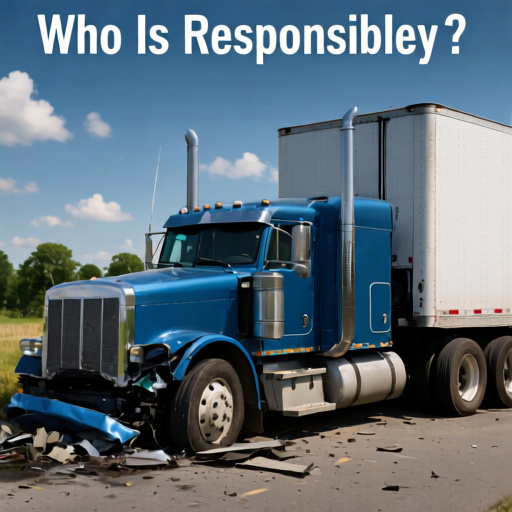
When a collision involving a tractor-trailer occurs, determining liability can be a complex process. Several parties may share responsibility, and understanding these potential liable parties is a crucial step in pursuing a successful settlement.
One of the primary parties often implicated in semi-truck accidents is the truck driver. Negligence on the part of the driver is a common cause of these incidents. This can include various forms of careless behavior, such as distracted driving (texting or using a mobile phone), speeding, failing to maintain proper lookout, or driving under the influence of alcohol or drugs. Federal regulations, overseen by the Federal Motor Carrier Safety Administration (FMCSA), impose strict hours-of-service rules designed to prevent driver fatigue. Violations of these regulations can demonstrate negligence. For instance, if a driver is operating a truck after exceeding the allowed driving hours, this could be considered a contributing factor to an accident.
Beyond the driver, the trucking company itself can bear liability. Companies have a responsibility to ensure their drivers are properly trained, qualified, and compliant with safety regulations. This includes background checks, regular vehicle maintenance, and adherence to safety policies. If a trucking company is found to have neglected these duties, they may be held liable for accidents caused by their employees. A significant factor in these cases often revolves around the company’s safety culture and whether it prioritized profit over safety. For example, a company known for pushing drivers to meet unrealistic delivery schedules might face scrutiny if a resulting accident is deemed a consequence of that pressure.
The owner or operator of the tractor-trailer may also be held liable, especially if they were directly involved in the accident or allowed an unqualified individual to operate the vehicle. This is particularly relevant in owner-operator situations where the individual owning and operating the truck is not directly employed by a larger company. Investigating the ownership and operational history of the vehicle is a key aspect of determining liability.
Furthermore, maintenance companies can face liability if negligence in vehicle maintenance contributed to the accident. This includes failure to properly inspect and repair critical components like brakes, tires, or steering systems. Maintenance records are vital in these situations. If inadequate maintenance played a role in the collision, the maintenance provider could be held responsible. Accurate and well-documented maintenance is a cornerstone of safe trucking operations, and a failure to uphold these standards can have severe consequences.
In some cases, government entities may share liability if road defects contributed to the accident. This could include issues with road design, inadequate signage, or insufficient road maintenance. Claims against government entities often involve demonstrating that a known road hazard caused or contributed to the accident. This type of claim typically involves specific legal procedures and timelines.
Finally, the cargo being transported can sometimes factor into liability. If the cargo was improperly secured and shifted during transit, potentially causing the accident, the party responsible for securing the load could be held accountable.
Understanding these potential sources of liability is essential for anyone involved in a semi-truck accident. It’s important to consult with a legal professional to thoroughly investigate the circumstances of the accident and determine who may be responsible for your damages.
Proving Negligence: Gathering Evidence After a Tractor Trailer Accident
After a tractor trailer accident, proving negligence is crucial for maximizing your settlement. This involves collecting comprehensive evidence to demonstrate the other party’s actions directly led to the collision and your resulting damages. The process requires diligence and a systematic approach to preserve critical information.
One of the first steps is to report the accident to the police. Obtain a copy of the police report as soon as it’s available. This report typically includes crucial details such as the officer’s assessment of the scene, witness statements, and the responding officer’s opinion on who was at fault. Pay close attention to any citations issued at the scene, as these can provide further evidence of negligence. It’s important to note that police reports are often preliminary, so further investigation may be needed.
Beyond the police report, gathering witness information is vital. If there were any bystanders or other drivers who observed the accident, obtain their names, contact information, and a detailed account of what they saw. Their recollections can offer valuable perspectives on the events leading up to the crash. Consider asking witnesses to write down their statements as soon as possible, while their memories are fresh. These statements can later be used as supporting documentation.
Photographic and video evidence plays a significant role in proving negligence. If possible and safe to do so, take photos and videos of the accident scene. Capture the position of the vehicles involved, any debris scattered around, road conditions, traffic signals, and any visible injuries. Video footage can provide a continuous record of the scene before, during, and immediately after the collision. Don’t rely solely on your phone; consider if professional documentation is feasible, especially for complex accident scenes.
Documenting your damages is equally important. This includes medical expenses, lost wages, property damage, and other related costs. Keep meticulous records of all medical bills, treatment plans, and doctor’s notes. For lost wages, gather pay stubs, tax returns, and a letter from your employer verifying your time off and salary. Similarly, for vehicle damage, obtain estimates from multiple reputable auto body shops.
Furthermore, investigate the tractor trailer’s history. Obtain the truck’s motor vehicle record (MVR) to check for any prior accidents or violations. This information can reveal a pattern of negligent behavior by the trucking company or driver. You can typically request an MVR from the state’s Department of Motor Vehicles. Understanding the trucking company’s safety record can significantly strengthen your negligence claim.
Finally, preserve any other relevant evidence. This might include dashcam footage from your vehicle or the truck, toll receipts, or any communication you had with the driver or the trucking company. It’s generally advisable to notify your insurance company and consult with a personal injury attorney as soon as possible after the accident. An attorney can guide you through the legal process and ensure that all necessary evidence is properly gathered and preserved.
Navigating Insurance Claims: A Step-by-Step Guide for Victims
The aftermath of a semi-truck collision can be incredibly overwhelming. Beyond the physical injuries and vehicle damage, dealing with insurance claims can feel like navigating a complex maze. This section outlines a clear, step-by-step guide to help victims understand and effectively navigate the insurance claim process, maximizing their chances of a fair settlement.
1. Immediate Actions: Documentation is Key
Your first priority after an accident is your well-being. However, meticulous documentation is crucial for a successful claim. Immediately after the collision, if possible and safe to do so, gather the following information:
- Police Report: Obtain a copy of the official police report. This document contains vital details about the accident, including the other driver’s information, witness statements, and any noted violations.
- Insurance Information: Collect the insurance details of the semi-truck driver involved. This includes the insurance company name, policy number, and contact information.
- Photos and Videos: Take detailed photographs and videos of the accident scene, including vehicle damage, road conditions, and any visible injuries. Document everything as soon as possible, as memories can fade.
- Witness Information: If there were any witnesses to the collision, obtain their names and contact information. Their testimonies can be invaluable to your claim.
2. Filing Your Claim
Contact your own insurance company as soon as possible to report the accident. Even if you weren’t at fault, it’s essential to notify them. Your insurance company will guide you through their specific claims process and may handle communication with the other driver’s insurer.
You will likely need to complete a formal claim form, providing a detailed account of the accident, your injuries, and your damages. Be accurate and thorough in your description. Providing false or misleading information can jeopardize your claim.
3. Understanding Liability
Determining liability is a critical step in the claims process. In most cases involving a semi-truck, the driver or the trucking company bears responsibility if the accident was caused by negligence, such as speeding, distracted driving, or improper maintenance.
The insurance companies will investigate the accident to establish liability. This may involve reviewing the police report, witness statements, and any available video footage. If the other driver is determined to be at fault, their insurance company will be responsible for covering your damages.
4. Assessing Your Damages
Calculating the full extent of your damages is essential for a fair settlement. Your damages typically fall into several categories:
- Vehicle Damage: Obtain estimates for the repair or replacement of your vehicle. Get multiple estimates from reputable auto body shops.
- Medical Expenses: Document all medical bills, including doctor visits, hospital stays, physical therapy, and medication. Keep records of any future medical treatment you anticipate needing.
- Lost Wages: If you’ve missed work due to your injuries, document your lost income. Provide pay stubs or a letter from your employer verifying your earnings.
- Pain and Suffering: This covers the physical pain, emotional distress, and mental anguish you’ve experienced as a result of the accident. While more subjective, pain and suffering is a significant component of many settlements.
5. Negotiating Your Settlement
Once the insurance company has investigated the claim and determined liability, they will likely make a settlement offer. This is where negotiation comes into play.
Review the offer carefully. It’s often wise to consult with a personal injury attorney at this stage. An attorney can assess the fairness of the offer and negotiate on your behalf. Be prepared to justify your claim with detailed documentation of your damages. Don’t feel pressured to accept the first offer; negotiation is a common part of the process.
6. Legal Considerations
While many claims are settled out of court, it’s important to understand your legal rights. A personal injury attorney specializing in semi-truck accidents can provide invaluable assistance throughout the claims process. They can:
- Advise you on your legal rights.
- Investigate the accident thoroughly.
- Gather and organize evidence to support your claim.
- Negotiate with the insurance company.
- Represent you in court if necessary. According to the Insurance Information Institute, a significant percentage of personal injury claims are settled out of court, but having legal counsel can greatly increase the likelihood of a favorable outcome.
Many victims find that seeking legal counsel early in the process provides a significant advantage. A thorough understanding of applicable laws and insurance practices can substantially impact the final settlement amount.
Legal Recourse Options: Filing a Lawsuit for Tractor Trailer Accident Damages
If a tractor trailer accident has resulted in injuries, property damage, or other losses, pursuing legal recourse through a lawsuit is a vital step towards recovering compensation. Understanding the available options and the process involved is crucial for victims seeking justice and financial recovery. This section outlines the primary legal avenues available to those injured by semi-trucks.
The first and most common route is to file a personal injury lawsuit against the responsible party. This typically includes the truck driver, the trucking company, and potentially other entities involved in the truck’s maintenance or dispatch. A lawsuit allows the injured party to seek compensation for a wide range of damages, which can be broadly categorized as economic and non-economic.
Economic damages encompass quantifiable financial losses. These include medical expenses, both past and future, lost wages due to inability to work, and any other out-of-pocket costs incurred as a direct result of the accident. Documentation is paramount for economic damages. This involves gathering medical bills, pay stubs, and letters from employers verifying lost income. Accurate records provide concrete evidence to support the claim.
Non-economic damages address the intangible losses stemming from the accident. These include pain and suffering, emotional distress, loss of enjoyment of life, and permanent disability. Quantifying non-economic damages can be more challenging, as they are subjective. However, they are a significant component of overall compensation. Testimony from the injured party, along with supporting evidence such as medical records detailing the impact of pain and limitations, helps in establishing their value.
Proving negligence is a cornerstone of a successful tractor trailer accident lawsuit. To establish negligence, the injured party must demonstrate the following elements:
- Duty of Care: The truck driver and trucking company had a legal duty to operate the vehicle safely and comply with all traffic laws.
- Breach of Duty: They violated that duty through negligent actions, such as speeding, distracted driving, improper maintenance, or violating hours-of-service regulations. Hours-of-service regulations are designed to prevent driver fatigue, a significant factor in many semi-truck accidents.
- Causation: The breach of duty directly caused the accident.
- Damages: The accident resulted in actual damages to the injured party.
Gathering evidence to support a negligence claim is essential. This evidence can include police reports, witness statements, accident scene photos, dashcam footage, and maintenance records of the truck. A thorough investigation is often necessary to uncover all relevant facts.
Beyond suing the driver and the trucking company, it may be possible to pursue claims against other parties. This could involve manufacturers of defective truck parts, freight companies that improperly loaded cargo, or even municipalities responsible for road defects. A comprehensive legal review of the accident circumstances is crucial to identify all potential liable parties.
The legal process typically begins with filing a complaint with the appropriate court. This initiates the lawsuit and formally notifies the defendants of the claim. Following the complaint, there is a period of discovery, where both sides exchange information through interrogatories (written questions), depositions (sworn oral testimony), and requests for documents. This phase is critical for building a strong case.
Settlement negotiations often occur during the discovery phase. Many personal injury cases are resolved through settlement agreements, avoiding the need for a trial. If a settlement cannot be reached, the case proceeds to trial. At trial, the injured party must present evidence to a judge or jury to prove their case and seek a monetary award.
Consulting with an experienced personal injury attorney is highly recommended after a tractor trailer accident. An attorney can investigate the accident, gather evidence, assess the legal options, negotiate with insurance companies, and represent the injured party in court. Navigating the complexities of trucking accident law requires specialized knowledge and experience. Moreover, understanding statutes of limitations is critical - each state has a deadline for filing a lawsuit. Missing this deadline can permanently bar the injured party from seeking compensation. Prompt legal action is therefore paramount.
Preventing Future Accidents: Safety Measures and Best Practices

Following a semi-truck collision, proactive measures are crucial for preventing similar incidents and minimizing the risk of future accidents. Both individuals and organizations involved in transportation and road safety can implement several effective strategies. This section outlines key safety measures and best practices to consider.
For Individuals:
- Distracted Driving Awareness: The National Highway Traffic Safety Administration (NHTSA) reports that distracted driving contributed to over 3,142 fatalities in 2021. Eliminate distractions while driving. This includes putting away mobile phones (including hands-free), managing navigation systems before starting the trip, and avoiding eating or other activities that divert attention from the road. A significant portion of distracted driving incidents involve texting, highlighting the need for strict adherence to hands-free laws.
- Defensive Driving Techniques: Employ defensive driving techniques. This means anticipating potential hazards, maintaining a safe following distance (at least 4-5 seconds), and being aware of the actions of surrounding vehicles. Regularly check blind spots, especially when changing lanes or merging onto highways where semi-trucks are common. Understanding the limitations of your vehicle’s braking capabilities is also vital.
- Fatigue Management: Driver fatigue is a major contributor to accidents. Ensure adequate sleep before long trips. If experiencing fatigue while driving, pull over to a safe location and rest. Consider sharing driving duties with another licensed driver to avoid exhaustion. According to the Federal Motor Carrier Safety Administration (FMCSA), fatigue is a factor in approximately 13% of truck crashes.
- Vehicle Maintenance: Regular vehicle maintenance is paramount. Ensure brakes, tires, lights, and other crucial components are in good working order. Promptly address any mechanical issues. A well-maintained vehicle reduces the likelihood of breakdowns and increases overall safety. Following the manufacturer’s recommended maintenance schedule is essential.
For Transportation Companies and Fleets:
- Driver Training and Certification: Comprehensive driver training programs are non-negotiable. These programs should cover advanced driving techniques, hazard recognition, and fatigue management. Regular refresher courses are equally important to keep skills sharp and abreast of evolving safety standards. Industry best practices often incorporate simulations to recreate real-world emergency scenarios.
- Hours of Service (HOS) Compliance: Strict adherence to Hours of Service regulations is crucial. FMCSA regulations dictate the maximum hours a commercial driver can operate a vehicle. Implementing robust tracking systems and ensuring drivers understand HOS rules helps prevent fatigue-related accidents. These regulations are designed to reduce driver fatigue and enhance safety on the road.
- Pre-Trip and Post-Trip Inspections: Mandatory pre-trip and post-trip vehicle inspections are critical for identifying potential mechanical issues before they lead to accidents. Detailed inspection checklists should be used, and any defects must be addressed immediately. Documenting these inspections provides a valuable record of vehicle maintenance.
- Technology Integration: Embrace safety technologies such as electronic logging devices (ELDs) for accurate HOS tracking, collision mitigation systems (like automatic emergency braking), and driver monitoring systems to detect signs of fatigue or distraction. Many modern trucks now include features that can alert drivers to potential dangers.
- Safety Management Systems: Implement a comprehensive Safety Management System (SMS). This framework promotes a proactive safety culture through hazard identification, risk assessment, and continuous improvement. An effective SMS encourages open communication about safety concerns and fosters a commitment to safety at all levels of the organization.
Adhering to these safety measures and best practices contributes significantly to preventing future accidents and fostering a safer environment for all road users. Continuous vigilance and a commitment to safety are essential for minimizing risks associated with semi-trucks and ensuring the well-being of everyone on the road.
Frequently Asked Questions
- What causes tractor trailer accidents?
Tractor trailer accidents can be caused by a combination of factors, including driver fatigue, inadequate training, adverse weather conditions, and the inherent risks associated with the size and weight of commercial vehicles.
- How severe are the consequences of tractor trailer accidents?
Tractor trailer accidents often result in serious injuries or fatalities due to the significant mass and momentum involved. The resulting damage to property can also be substantial.
- What are some statistics related to tractor trailer accidents?
In 2022, large trucks were involved in an estimated 37,000 accidents, and in 2021, over 3,000 people died in crashes involving large trucks, according to the FMCSA and NHTSA.
